Last year, Senegal launched its National Adaptation Plan for climate change in the agricultural sector. The plan sets a strategic roadmap to address climate challenges facing the sector in the medium and long term, with a focus on regenerative agriculture and climate-smart solutions.
Long before these solutions appeared in national frameworks, communities have been practicing regenerative agriculture for generations. One such organization doing this work is CREATE! (the Center for Renewable Energy and Appropriate Technology for the Environment). Using a participatory approach, CREATE! partners with rural villages in Senegal to design self-sufficiency projects that reflect local priorities and build long-term resilience.
CREATE! launched its flagship program in 2010, and Mortenson Family Foundation has funded the organization since 2021. In the past 15 years, CREATE! has shown what is possible when change is nurtured from within a community, rather than imported from outside. Its model shows that locally led adaptation is not just effective for communities, but essential for addressing climate challenges at scale.
Creating a Foundation
Senegal sits at the frontlines of climate change. Communities are contending with rising temperatures, erratic rainfall, desert encroachment, and sea-level rise. Agricultural production has slowed under these pressures, while deforestation accelerates as families continue to rely on wood for cooking and construction.
It was within these tightening environmental and social pressures that CREATE! emerged. Established as a nonprofit in 2008, CREATE! is on a mission to help rural populations in the developing world cope with water, food, and fuel shortages resulting from the impacts of climate change on their communities. The organization’s flagship four-year cohort program works with communities on a suite of integrated projects dedicated to improving water access, cooperative gardening, renewable energy, and income generation.
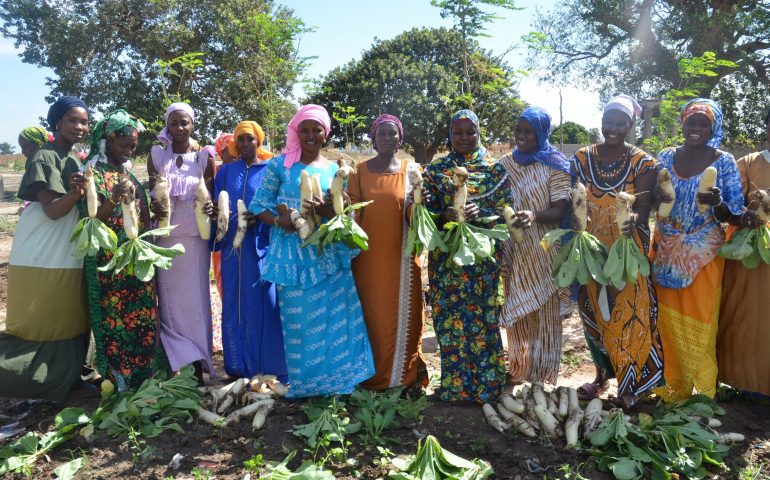
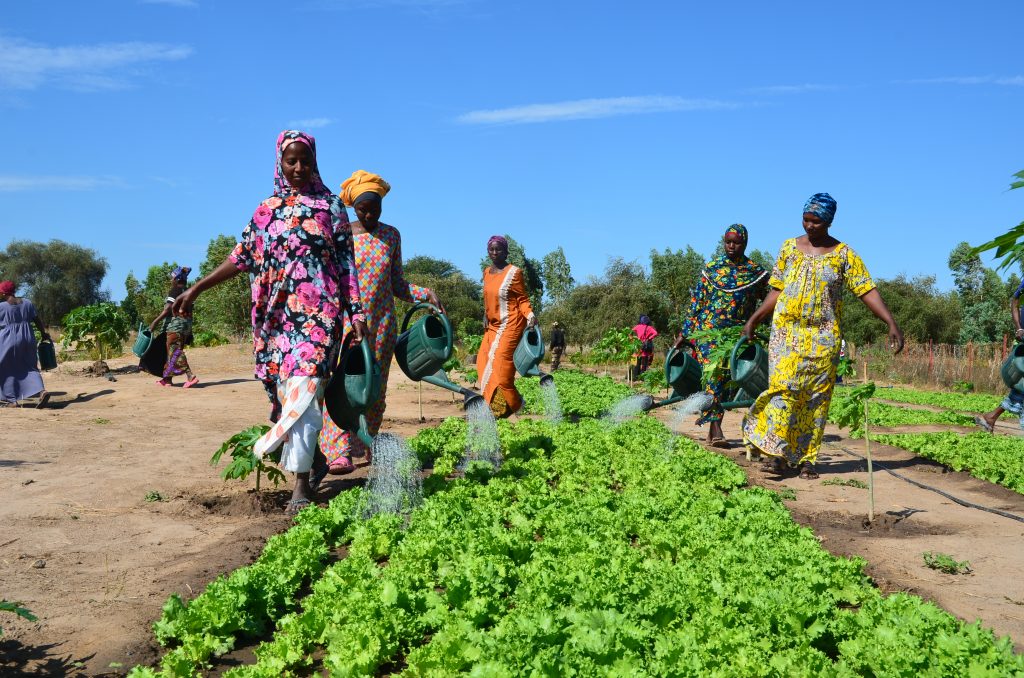
Since CREATE! launched its cohort model in June 2010, over 50 communities have applied to participate. The organization’s projects prioritize the essentials: rehabilitating wells and installing solar-powered pumps to secure reliable water access; establishing cooperative community gardens where women can cultivate vegetables year-round; introducing fuel-efficient cookstoves to reduce firewood consumption; and strengthening income-generating activities to stabilize household economies.
To date, 24 communities have entered into partnerships with CREATE!, and 19 of those communities have successfully graduated from the organization’s training programs.
“Through CREATE!’s climate-forward model that benefits local communities and the local environment, we have seen how our partner communities have grown successfully from sustenance to resilience over the years,” says Paulomi Bhattacharya, the organization’s co-executive director.
The cohort model’s highly participatory, collaborative design is central to its success. The projects begin with dialogue, community consensus, and local leadership in choosing priorities and pacing. This approach ensures each initiative addresses what communities identify as most urgent and that, after graduation, villages continue to sustain and expand their work. This way, CREATE! helps communities build systems they can manage independently for years to come.
“CREATE!’s focus on local homegrown solutions to community challenges ensures sustainable impacts that can last generations,” Paulomi adds.
Making Space For Women
CREATE! focuses on empowering women to shift power dynamics in its partner communities, since climate change disproportionately impacts women. In Senegal, women make up over 60% of the agricultural workforce but face limited access to land, resources, and decision-making. As droughts intensify and rainfall becomes more unpredictable, women face increasing burdens in water collection and food production—responsibilities crucial to household wellbeing.
The organization’s cohort program intentionally places women at the center of its self-sufficiency projects, working to shift these longstanding gender imbalances. Through cooperative gardens, women grow vegetables, fruits, and nuts year-round, improving both household nutrition and community food security. The program also provides training in financial literacy and enterprise development, enabling women to manage profits from poultry and agricultural production and reinvest them in their families’ futures.
“CREATE!’s work is a continuous reminder for us that empowering a woman is not just about changing her own life but about shifting the trajectory of her family and her community,” says Paulomi. As women generate more income, their influence in household and community decision-making expands. The resulting shifts in power dynamics, while often gradual, have created a stronger platform for women to shape local development priorities.
Residents of the 19 communities that have graduated from the training programs have seen increased vegetable production, improved nutrition, rising incomes from market sales, reduced firewood use, and more effective community governance. Most importantly, each community has continued carrying the work forward, adapting and expanding the projects independently.
Working Toward the Next 15 Years
As Senegal moves to embed regenerative agriculture into its national policy, CREATE! offers a grounded example of what that transition can look like when communities lead. In the next 15 years, CREATE! plans to partner with one to two new communities every year and install solar-powered water and regenerative agricultural systems in each of those communities, as well as plant 30,000 trees annually to support reforestation efforts. These initiatives will improve the lives of about 10,000 beneficiaries, says Paulomi.
With global funders turning toward regenerative agriculture, CREATE! is a reminder that transformation begins with the people who depend on the land every day.
“We support CREATE! because their work demonstrates the kind of integrated community-led approach we value,” says Margretta Supuwood, a community relationship officer at Mortenson Family Foundation. “They center local leadership, respond to community-identified needs, and build toward long-term impact by investing in the leadership and growth of the community.”